

Buying a crib is one of the few purchases where a mistake can sit beside your baby for nearly 12 hours every day. That’s why the smartest crib buying guide advice is simple: choose a safety-certified crib that fits your nursery space, converts for future use, and matches your budget without paying for unnecessary features. Many Illinois parents overspend on trendy nursery setups only to discover that expensive doesn’t always mean safer, more durable, or more practical. Understanding crib safety standards, room dimensions, mattress compatibility, and long-term value helps families avoid costly mistakes while creating a safe sleep environment from day one.
What Is the Best Way to Choose a Baby Crib in Illinois?
Direct Answer: The best way to choose a baby crib in Illinois is to prioritize federal safety compliance, measure your nursery space accurately, select a durable material, and compare long-term value rather than focusing solely on appearance.
Illinois parents have hundreds of crib options available through local retailers, specialty baby stores, and online marketplaces. While the choices can feel overwhelming, narrowing your selection becomes easier when you focus on four essentials:
- Current safety certifications
- Available nursery space
- Material quality and durability
- Future usability and conversion options
Before comparing models, reviewing a detailed expert roundup of highly rated baby cribs available in Illinois can help identify options that balance safety, quality, and affordability.
According to the U.S. Consumer Product Safety Commission (CPSC), all cribs sold in the United States must meet strict federal safety regulations. Choosing a crib manufactured after these standards were implemented significantly reduces safety risks associated with older crib designs.
Parents should think of a crib as a long-term investment rather than a short-term purchase. The right choice can last from infancy through toddlerhood and sometimes beyond.
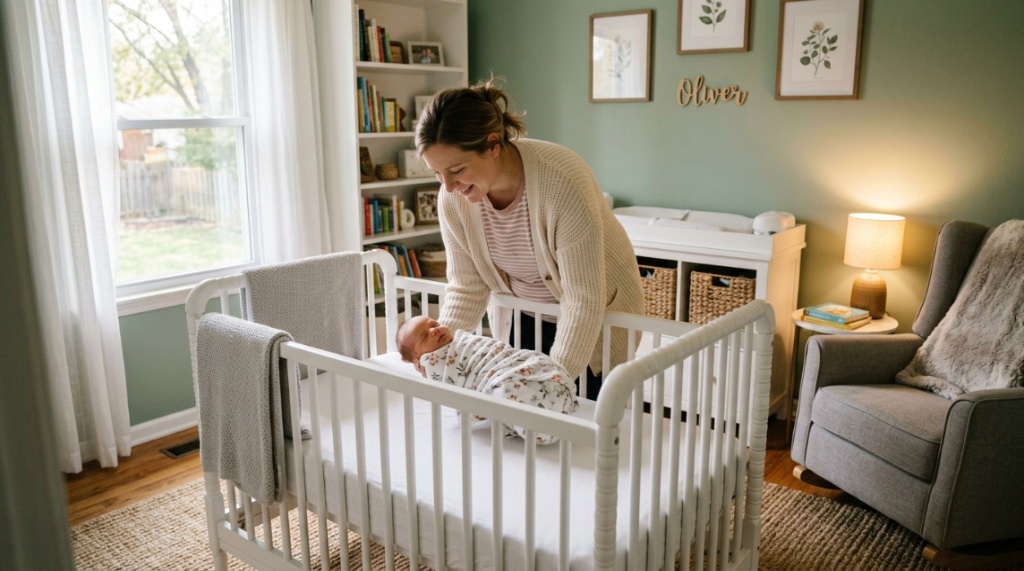
Which Crib Safety Features Should Parents Never Compromise On?
Direct Answer: Parents should never compromise on federally approved safety standards, proper slat spacing, sturdy construction, non-toxic finishes, and a firm mattress fit.
Safety should always outweigh style, color, or brand popularity.
What safety certifications matter most?
Look for cribs that comply with:
- CPSC regulations
- ASTM International safety standards
- JPMA certification when available
These certifications indicate that the crib has undergone testing for structural integrity and infant safety.
How far apart should crib slats be?
Crib slats should be no more than 2⅜ inches apart. Wider gaps can create entrapment hazards for infants.
Are drop-side cribs safe?
No. Drop-side cribs were banned because of serious safety concerns. Avoid purchasing used models that include drop-side mechanisms.
Other essential safety considerations include:
- Rounded edges
- Secure hardware connections
- Stable frame construction
- Lead-free finishes
- No decorative cutouts in headboards
How Much Should You Spend on a Baby Crib Without Overpaying?
Direct Answer: Most families can find a safe, durable crib between $200 and $600, while premium models above that range should offer meaningful long-term value to justify the extra cost.
Price does not automatically indicate quality.
| Price Range | What You Typically Get | Best For |
|---|---|---|
| $100–$200 | Basic safety-compliant crib | Budget-conscious families |
| $200–$600 | Higher durability, adjustable heights, better finishes | Most parents |
| $600–$1,000 | Premium materials and convertible designs | Long-term nursery planning |
| $1,000+ | Luxury brands and designer aesthetics | Style-focused buyers |
The key is identifying whether premium features genuinely improve usability or simply add visual appeal.
Parents often save money by focusing on essential nursery furniture instead of investing heavily in decorative upgrades that offer little practical benefit.
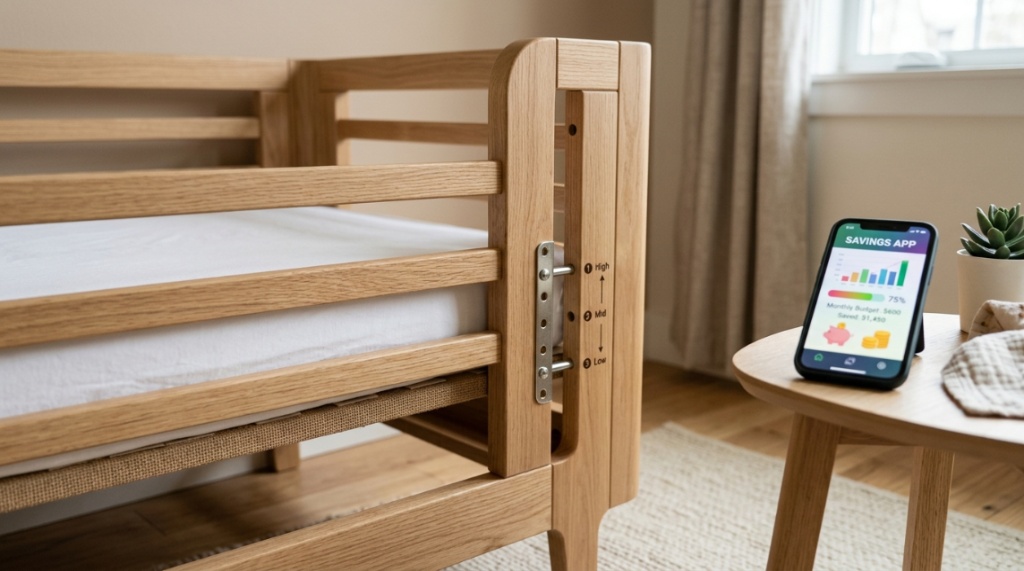
Should You Buy a Convertible Crib or a Standard Crib?
Direct Answer: Convertible cribs generally provide better long-term value because they can transition into toddler beds, daybeds, or full-size beds as children grow.
Many Illinois families prefer convertible cribs because they reduce future furniture replacement costs.
Much like choosing practical household solutions that simplify maintenance and daily living—such as learning effective ways to keep carpets free from stubborn hair buildup—investing in adaptable nursery furniture can save time and money over the years.
Advantages of convertible cribs
- Extended lifespan
- Better long-term value
- Reduced furniture purchases
- Consistent room design
- Greater sustainability
Advantages of standard cribs
- Lower upfront cost
- Lighter construction
- Simpler assembly
- Easier relocation
If budget allows, a 4-in-1 convertible crib often delivers the strongest return on investment.
What Size Crib Works Best for Different Nursery Layouts?
Direct Answer: The best crib size depends on room dimensions, furniture placement, and available walking space within the nursery.
Many first-time parents underestimate how much floor space nursery furniture occupies.
Before purchasing, measure:
- Room width
- Room length
- Door clearance
- Window locations
- Closet accessibility
How much space should surround a crib?
Maintain enough clearance for:
- Safe movement around the crib
- Nighttime feeding access
- Changing table use
- Emergency accessibility
Standard cribs typically measure approximately 52 inches long and 28 inches wide, making them suitable for most nurseries.
For smaller homes or apartments, mini cribs can provide an effective space-saving solution.
Which Crib Materials Offer the Best Durability and Value?
Direct Answer: Solid hardwood cribs generally provide the best combination of durability, stability, longevity, and resale value.
Material quality directly affects how well a crib withstands years of daily use.
Common crib materials include:
- Solid hardwood
- Engineered wood
- Pine wood
- Metal construction
- Mixed-material designs
Why is hardwood preferred?
Hardwood cribs offer:
- Superior structural strength
- Better resistance to wear
- Longer lifespan
- Improved stability
- Higher resale potential
Although hardwood models often cost more initially, their longevity frequently offsets the higher purchase price.
What Crib Mattress Features Matter Most for Infant Safety?
Direct Answer: A crib mattress should be firm, snug-fitting, breathable, waterproof, and specifically designed to meet infant sleep safety standards.
Even the safest crib becomes less effective when paired with an unsuitable mattress.
How firm should a crib mattress be?
Infant mattresses should remain firm and maintain their shape under pressure. Soft mattresses increase sleep-related risks.
How tight should the mattress fit?
There should be minimal space between the mattress edge and crib frame.
A simple guideline:
- If more than two fingers fit between mattress and crib edge, the fit may be unsafe.
Additional features worth considering include:
- Waterproof cover
- Breathable design
- Hypoallergenic materials
- Easy-clean surfaces
- Dual-sided infant and toddler support
Where Should Illinois Parents Buy a Baby Crib?
Direct Answer: Parents should buy from reputable retailers that provide verified safety certifications, clear return policies, manufacturer warranties, and reliable customer support.
Popular purchasing options include:
- Baby specialty stores
- National furniture retailers
- Department stores
- Online baby product retailers
- Manufacturer-direct websites
Is buying a used crib a good idea?
Used cribs can save money, but caution is essential.
Always verify:
- Manufacturing date
- Recall history
- Structural condition
- Missing parts
- Current safety compliance
Many experts recommend purchasing new cribs whenever possible because safety standards evolve over time.
Which Common Crib Buying Mistakes Cost Parents the Most Money?
Direct Answer: The biggest mistakes include prioritizing appearance over safety, ignoring room measurements, overspending on unnecessary features, and failing to plan for future needs.
Several expensive mistakes appear repeatedly among first-time parents.
1. Choosing style before safety
Aesthetic preferences should never outweigh safety certifications.
2. Ignoring nursery dimensions
Large furniture can overwhelm small spaces and reduce functionality.
3. Forgetting future growth
Convertible models often provide significantly better value over several years.
4. Buying incompatible mattresses
Improper mattress fit may require replacement purchases.
5. Paying for unnecessary luxury features
Decorative upgrades rarely improve infant safety or daily usability.
6. Skipping product reviews
Customer experiences often reveal durability concerns that product descriptions overlook.
How Can You Build a Complete Nursery Without Overspending?
Direct Answer: Focus first on essential nursery furniture, create a realistic budget, and prioritize function before decorative upgrades.
A practical nursery usually requires:
- Safe crib
- Firm mattress
- Fitted sheets
- Changing station
- Storage solution
- Comfortable feeding chair
Decorative purchases can always come later.
Parents frequently achieve better results by investing in quality essentials rather than pursuing expensive social-media-inspired nursery designs.
Thoughtful coordination of furniture, colors, and accessories—similar to how people carefully balance style elements for special occasions—can create a beautiful nursery without increasing costs unnecessarily.
Conclusion: How Do You Choose the Right Crib and Stay Within Budget?
The best baby crib is not necessarily the most expensive one. It is the crib that meets current safety standards, fits your nursery layout, accommodates your long-term needs, and delivers dependable value for the money you spend.
By focusing on safety certifications, quality materials, mattress compatibility, room dimensions, and future usability, Illinois parents can confidently select a crib that supports both infant safety and household budgeting goals.
If you’re comparing available options, reviewing a trusted collection of top-rated baby cribs recommended for Illinois families can simplify the decision process and help identify models that combine safety, durability, and affordability.
Take measurements before shopping, compare conversion features carefully, verify certifications, and avoid paying extra for features that add little practical value. A smart crib purchase today can provide years of comfort, convenience, and peace of mind.
Frequently Asked Questions About Choosing a Baby Crib in Illinois
What is the safest type of baby crib?
The safest baby crib is one that complies with current CPSC safety standards, includes proper slat spacing, has a firm mattress fit, and contains no drop-side mechanisms or structural defects.
How much should first-time parents spend on a crib?
Most families find excellent value between $200 and $600. Within this range, parents can often purchase durable, safety-certified cribs with adjustable mattress heights and quality construction.
Are convertible cribs worth the extra money?
Yes. Convertible cribs frequently reduce long-term furniture expenses because they transition into toddler beds, daybeds, or full-size beds as children grow.
Can I use a second-hand crib safely?
Possibly, but only if the crib meets current safety regulations, has never been recalled, includes all original hardware, and shows no signs of structural damage.
What mattress should I buy for a crib?
Choose a firm infant mattress specifically designed for crib use. The mattress should fit snugly without leaving large gaps around the edges.
How long does a baby typically use a crib?
Most children use a crib from birth until approximately 18 months to 3 years of age, depending on developmental milestones and individual needs.
What nursery furniture should be purchased first?
The highest-priority purchases include a safe crib, firm mattress, fitted sheets, changing station, and practical storage solutions. Decorative items can be added later.
Comments are closed, but trackbacks and pingbacks are open.