
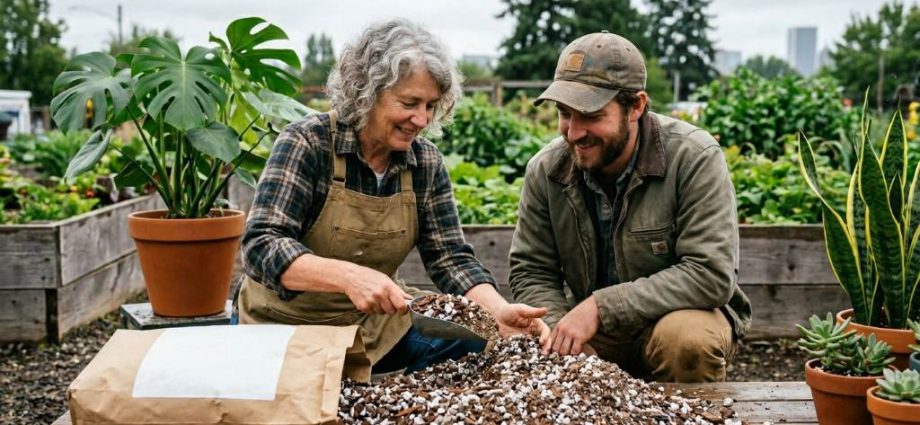
Portland homeowners love indoor plants because they improve air quality and create calming spaces throughout the year. In fact, studies show that indoor plants can reduce stress levels by nearly 37% while improving focus and productivity indoors. However, Portland’s cool and damp climate often creates moisture problems for common houseplants. Many local plant care experts now recommend using a fast-draining soil blend to prevent root rot and support healthier growth. Gardeners searching for the best chunky soil mix for root aeration often discover that proper drainage matters more than frequent watering. A well-balanced mix helps roots breathe better while keeping moisture levels stable in Oregon’s changing weather conditions.
Why Fast-Draining Soil Matters in Portland, OR
Portland experiences long rainy seasons and high humidity during much of the year. As a result, traditional potting soil often stays wet for too long indoors. Excess moisture blocks oxygen flow around plant roots and encourages fungal diseases. Therefore, local plant care professionals strongly recommend improving drainage for most tropical houseplants. Healthy roots need both moisture and air to survive.
Fast-draining soil allows water to move through the container quickly without creating soggy pockets. At the same time, it still holds enough moisture for steady plant growth. This balance helps reduce common problems like yellow leaves and root decay. Additionally, proper airflow inside the soil encourages stronger root systems over time. Portland plant shops often customize blends specifically for the local climate.
Indoor heating systems during Portland winters also affect soil moisture levels unpredictably. Some homes become dry while others trap humidity indoors for days. Consequently, many plants struggle when grown in dense, compacted potting mixes. Fast-draining soil adapts more effectively to these changing indoor conditions. Plant owners often notice healthier foliage within a few weeks after switching blends.

What Makes a Soil Blend Fast-Draining?
A fast-draining blend contains chunky materials that create air pockets throughout the soil structure. These pockets allow excess water to escape while delivering oxygen directly to the roots. Experts in Portland often combine organic and inorganic materials for the best results. Each ingredient plays a different role in moisture control and root support.
Common ingredients in fast-draining soil blends include:
- Orchid bark
- Perlite
- Pumice
- Coconut coir
- Horticultural charcoal
- Worm castings
- Coarse sand
Orchid bark adds structure and improves airflow around the roots. Meanwhile, perlite and pumice help prevent soil compaction by keeping the mix light and porous. Coconut coir retains enough moisture without becoming waterlogged too quickly. Additionally, horticultural charcoal helps absorb impurities and improves overall soil freshness. Together, these materials create a stable growing environment for indoor plants.
Portland plant care specialists usually avoid heavy peat-based mixes for tropical plants. Peat tends to stay wet longer in cooler environments and may suffocate delicate roots. Instead, they prefer lighter materials that drain quickly after watering. This strategy reduces the risk of fungal infections during the rainy season. It also encourages healthier root development throughout the year.
Plants That Benefit Most From Fast-Draining Soil
Certain plants require excellent drainage because they naturally grow in airy environments. Tropical plants especially benefit from chunky soil blends in Portland homes. Their roots need consistent airflow to avoid stress and disease. Without proper drainage, these plants often decline slowly over time.
Popular houseplants that thrive in fast-draining blends include:
- Monstera
- Philodendron
- Snake plants
- Hoyas
- Pothos
- ZZ plants
- Anthuriums
- Fiddle leaf figs
Monsteras develop stronger aerial roots when grown in breathable soil mixes. Likewise, philodendrons produce healthier leaves with fewer signs of overwatering. Snake plants also benefit because they store water inside their leaves and dislike soggy conditions. Furthermore, hoyas require especially airy soil to prevent root rot problems indoors. Portland growers frequently recommend bark-heavy mixes for these plants.
Succulents and cacti also need excellent drainage in Oregon’s damp climate. Standard indoor soil often traps too much moisture around their shallow root systems. Therefore, adding pumice or coarse sand helps improve water flow dramatically. Fast-draining blends also reduce the chance of mold growth during colder months. Many Portland apartment gardeners rely on these mixes for low-maintenance care.
How Portland Climate Affects Indoor Plant Soil
Portland’s weather creates unique challenges for indoor plant owners throughout the year. Frequent rain and cloudy skies reduce evaporation rates inside homes. Consequently, plant soil stays wet longer compared to drier regions. This environment increases the risk of overwatering even when watering schedules seem normal.
Winter conditions create another layer of difficulty for indoor plants. Short daylight hours slow plant growth and reduce water usage naturally. However, many people continue watering plants at the same rate year-round. As a result, roots often sit in excess moisture for extended periods. Fast-draining blends help correct this issue by removing water more efficiently.
Spring and fall seasons in Portland also bring fluctuating humidity levels indoors. Some days feel cool and damp while others become unexpectedly warm. Therefore, soil performance must remain stable under changing conditions. Chunky blends provide better consistency because they resist compaction over time. This structure keeps roots healthier despite weather fluctuations.
Many Portland homes also use limited ventilation during rainy months. Closed windows reduce airflow and increase indoor humidity levels around plants. Dense soil becomes even riskier under these conditions because it dries slowly. Fast-draining blends improve oxygen circulation and help prevent bacterial growth. Plant experts across the city consistently recommend these soil adjustments for healthier indoor gardening.
How to Create a Fast-Draining Soil Blend at Home
Creating your own fast-draining blend allows you to customize soil for specific plant needs. Portland plant enthusiasts often mix ingredients based on seasonal conditions and indoor humidity levels. Fortunately, most materials are widely available at local garden centers. A simple homemade blend can dramatically improve plant health.
A basic fast-draining recipe includes:
- 40% potting soil
- 30% orchid bark
- 20% perlite or pumice
- 10% worm castings
Start by combining the dry ingredients thoroughly in a large container. Next, break apart any compacted soil clumps before mixing everything evenly. The final blend should feel light, airy, and slightly chunky throughout. Additionally, water should move through the mixture quickly during testing. If the soil remains soggy, increase the amount of perlite or bark.
For moisture-loving tropical plants, you can add slightly more coconut coir to the mix. Meanwhile, succulents often perform better with additional pumice or coarse sand. Portland experts recommend adjusting recipes gradually instead of making drastic changes immediately. This method allows plants to adapt more comfortably after repotting. Careful observation helps determine the best balance over time.
Always use containers with proper drainage holes when working with fast-draining soil blends. Even the best soil cannot protect roots inside poorly draining pots. Terracotta containers often work especially well because they release excess moisture naturally. Furthermore, avoid decorative pots without drainage unless using an inner nursery container. Proper pot selection supports overall soil performance.
Signs Your Current Soil Needs Improvement
Many indoor plant problems begin below the surface before visible symptoms appear. Portland plant care professionals often identify soil issues by examining watering behavior and root condition. Recognizing these warning signs early can prevent long-term damage. Healthy soil should support steady growth without excessive moisture retention.
Common signs of poor drainage include:
- Yellowing leaves
- Mushy stems
- Mold growth on soil
- Fungus gnats
- Slow growth
- Root rot smell
- Water pooling on the surface
Yellow leaves frequently indicate roots sitting in overly wet soil for extended periods. Likewise, fungus gnats often appear when moisture remains trapped near the surface. Mold growth also signals poor airflow and excessive humidity around the roots. Additionally, compacted soil may prevent water from spreading evenly through the container. Fast-draining blends solve many of these issues naturally.
Plants may also show stunted growth despite receiving adequate light and fertilizer. In many cases, oxygen-starved roots cannot absorb nutrients efficiently from dense soil. Therefore, growth slows even when other care routines remain correct. Repotting into a breathable mix often restores healthy development within weeks. Portland gardeners frequently notice stronger leaf production after improving drainage.
A sour or rotten smell coming from the pot usually indicates advanced root decay. At this stage, immediate action becomes necessary to save the plant. Remove damaged roots carefully before repotting into fresh, airy soil. Furthermore, reduce watering temporarily while the plant recovers. Healthy drainage plays a major role in long-term plant survival.
Expert Tips for Maintaining Healthy Soil
Even the best fast-draining blend requires proper maintenance throughout the year. Portland plant experts recommend monitoring soil texture regularly because ingredients break down over time. Organic materials eventually compact and reduce airflow around the roots. Therefore, occasional refreshing helps maintain optimal drainage conditions.
Simple maintenance tips include:
- Replace soil every 12–18 months
- Avoid overwatering schedules
- Use pots with drainage holes
- Check soil moisture before watering
- Remove dead roots during repotting
- Increase airflow around plants
Checking soil moisture with your finger prevents unnecessary watering mistakes. If the top two inches still feel damp, wait before watering again. Additionally, rotating plants occasionally improves air circulation and even growth patterns. Portland homes with lower winter light especially benefit from this practice. Small adjustments often create noticeable improvements in plant health.
Repotting plants annually also allows you to inspect root systems closely. Healthy roots should appear firm and light-colored instead of mushy or dark. Removing damaged roots prevents infections from spreading through the container. Moreover, fresh soil replenishes nutrients while restoring proper drainage. Many plant experts schedule repotting during spring for best results.
Humidity control inside the home also supports healthier soil conditions year-round. Using small fans or opening windows occasionally improves indoor airflow significantly. This practice helps soil dry evenly while reducing fungal risks around plants. Portland residents often combine airflow improvements with chunky soil blends for better results. Together, these methods create a more balanced indoor growing environment.
Choosing the Right Soil Blend for Different Rooms
Different rooms inside a home can affect how quickly soil dries out after watering. Portland plant care experts often recommend adjusting soil blends based on room conditions and lighting levels. Bathrooms usually stay humid longer than living rooms or offices. Consequently, plants in these spaces may require extra drainage support.
Rooms with limited sunlight also slow evaporation rates significantly during winter months. Therefore, plants near north-facing windows often benefit from bark-heavy soil mixtures. Meanwhile, bright south-facing spaces may dry soil more quickly throughout the day. In those conditions, slightly more moisture retention may help maintain balance. Adapting soil to room conditions improves consistency for indoor plants.
Kitchens present another unique environment because cooking increases humidity periodically. Plants placed near sinks or stoves often experience fluctuating moisture levels indoors. Fast-draining blends reduce stress caused by these sudden environmental changes. Additionally, improved airflow inside the soil helps roots remain healthier under variable conditions. Portland homeowners frequently customize soil recipes for different rooms.
Office spaces with artificial lighting also influence watering patterns differently than naturally lit areas. Lower evaporation rates mean soil may stay damp for longer periods. Consequently, lightweight chunky mixes help prevent accidental overwatering. Many remote workers in Portland now maintain indoor plant collections successfully using these specialized soil adjustments. Healthy roots create stronger, longer-lasting indoor plants overall.
Conclusion
Portland’s damp climate makes fast-draining soil one of the most important factors in successful indoor plant care. Dense potting mixes often trap moisture and increase the risk of root rot, fungal issues, and weak growth. However, a well-balanced chunky blend improves airflow while supporting healthier root systems year-round. Local plant care experts consistently recommend bark, pumice, and perlite-based mixes for better drainage in Oregon homes.
If your plants struggle with yellow leaves, soggy soil, or slow growth, now is the perfect time to upgrade your soil blend. Start with a simple fast-draining recipe and adjust it based on your home’s lighting and humidity levels. With the right soil structure, your indoor plants can thrive in Portland’s unique climate conditions for years to come.
FAQs
What is a fast-draining soil blend?
A fast-draining soil blend allows excess water to flow quickly while maintaining airflow around plant roots.
Why do Portland plants need better drainage?
Portland’s rainy and humid climate causes standard potting soil to stay wet longer than normal.
Can I use regular potting soil alone?
Regular potting soil often becomes too dense indoors and may increase the risk of root rot.
Which ingredient improves soil aeration the most?
Orchid bark and perlite both improve airflow and reduce soil compaction effectively.
How often should I replace chunky soil mixes?
Most fast-draining soil blends perform best when refreshed every 12 to 18 months.
Related Reads
Read more: How to choose the right concrete mix for your project
Learn: An introduction to ductless commercial kitchen extraction systems
Explore: Local Movers vs Long-Distance Movers: How the Planning and Cost Measures Differ
Comments are closed, but trackbacks and pingbacks are open.