
Key Takeaways
- Los Altos real estate decisions should be based on local sales, active competition, and neighborhood details, not national headlines alone.
- Mortgage rates affect affordability, but inventory, home condition, lot size, and location can matter just as much.
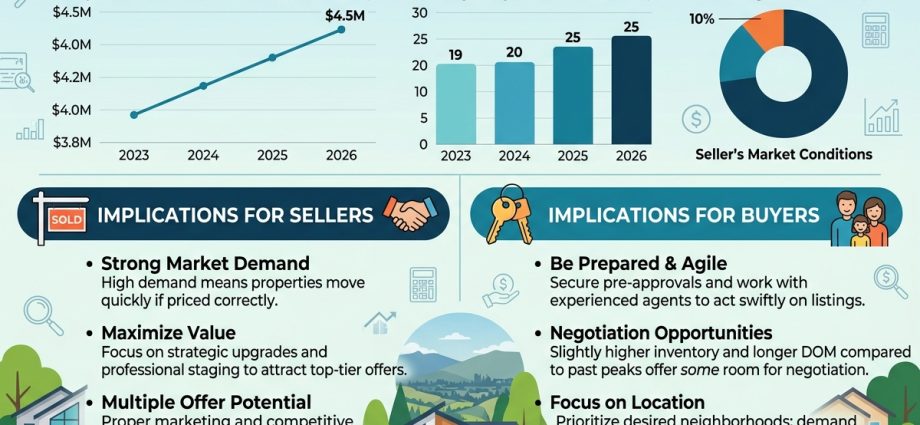
- Because relatively few homes may close in a given month, a single high-end sale can make short-term price data appear more dramatic than it is.
- Move-in-ready properties often draw the widest buyer pool, while homes needing major work require more careful pricing and planning.
- Buyers should evaluate total ownership costs. Sellers should focus on preparation, evidence-based pricing, and early market feedback.
In 2026, Los Altos buyers and sellers need a local lens. The city’s limited housing supply, high price points, and proximity to major Silicon Valley employment centers can create conditions that look very different from broad Bay Area or national reports. For readers comparing available properties, neighborhood options, and listing activity, Los Altos, CA Homes for Sale is a local search resource from Ryan Gowdy, a Los Altos real estate professional serving Los Altos, Los Altos Hills, and nearby Silicon Valley communities with market guidance for buyers and sellers.
The right decision is rarely based on one headline number. A home’s condition, street, school-boundary considerations, floor plan, and timing can all influence value and buyer interest. Reviewing several indicators together creates a more useful picture of the market.
Why Local Housing Data Matters
Los Altos is not one uniform market. Citywide figures can be useful for context, but they may hide meaningful differences between homes near downtown, quieter residential streets, Los Altos Country Club areas, and properties closer to Mountain View or major commute routes. A large new construction sale or an estate property can also affect the median price when the number of monthly transactions is small.
Read median sale price, price per square foot, days on market, and sale-to-list-price ratio as a group. The FHFA House Price Index can provide a broader housing context, but local comparable sales remain more relevant when evaluating a specific Los Altos home. Closed sales show what buyers actually paid, while active listings show the current alternatives competing for attention.
The Main Los Altos Trends to Watch
Interest Rates and Monthly Affordability
Even a modest mortgage-rate change can materially affect the payment on a high-value purchase. Buyers should compare scenarios using their actual loan amount, down payment, property taxes, and insurance costs rather than assuming that a lower rate will automatically make any home affordable. Rate forecasts are uncertain, so a purchase plan should work at a payment level that feels comfortable today.
Inventory and Buyer Competition
More listings can improve selection and negotiating room, but quantity alone does not tell the full story. If many available homes need extensive updates, buyers may still compete strongly for the smaller number of properties that are well located, thoughtfully renovated, and ready for immediate occupancy. Watch new listings, pending sales, price reductions, and canceled listings to understand the pace of demand.

Technology Jobs and Local Confidence
Silicon Valley hiring, equity compensation, layoffs, and return-to-office policies can influence confidence in Los Altos. Some households may have significant assets yet remain cautious about a large mortgage or renovation commitment. Local employment conditions and household financial readiness often have more direct relevance than broad national sentiment.
What the Data Means for Buyers
Start with a payment-based budget, then add taxes, insurance, utilities, landscaping, maintenance, and likely improvements. A lower-priced property can be the more expensive choice if it needs a roof, electrical work, drainage repairs, or a long renovation period. Buyers should also reserve cash after closing for inspections, moving costs, unexpected repairs, and future changes in income.
When comparing homes, look beyond the asking price. Review recent closed sales with similar lot sizes, layouts, conditions, and locations. Consider how long those homes took to sell and whether they received price reductions. A well-priced listing with broad appeal may deserve a prompt, carefully planned offer, but buyers do not need to abandon due diligence simply because a property is popular.
What the Data Means for Sellers
Price from evidence, not hope. The best comparable sales are recent, nearby, and genuinely similar in condition and utility. Distinguish list price from final sale price, and account for renovations, permits, parking, outdoor space, street location, and floor plan. A pricing strategy should also reflect the homes currently available to buyers.
Preparation can protect value. Complete essential repairs, improve lighting and exterior presentation, reduce clutter, and organize disclosures, permits, warranties, and inspection information before launch. Set review points in advance. Strong early activity may support multiple offers, while weak traffic or limited feedback may signal a presentation or pricing issue that needs attention.
Why Home Condition Changes the Result
Two similar homes can receive very different responses when one is clean, updated, and ready for occupancy, while the other requires months of construction. Buyers often discount a project home by more than the anticipated repair bill because they are also pricing in uncertainty, time, contractor availability, and the disruption of living through renovations. Detailed inspections, contractor estimates, and clear disclosures reduce those unknowns.
Costs Buyers Should Review
The purchase price is only the starting point. Before making an offer, evaluate:
- Mortgage principal, interest, lender fees, and closing costs
- Property taxes and homeowners insurance
- Utilities, landscaping, and routine maintenance
- Major future expenses, including roofs, systems, and remodeling
- Inspection costs, professional advice, and post-closing reserves
The Consumer Financial Protection Bureau’s mortgage rate comparison guidance is a useful reminder that rate, loan term, down payment, fees, and credit profile can all affect borrowing costs. Compare complete loan estimates, not rate quotes in isolation.
How Location and Lifestyle Shape Value
Location is about daily life as much as a map. Proximity to workplaces, parks, downtown services, schools, shopping, and major roads can influence demand. One household may prioritize a shorter Palo Alto or Mountain View commute, while another values a larger yard, privacy, or a quieter street. Buyers should independently verify school boundaries, commute times, zoning, and local regulations before committing.
A Simple 2026 Decision Checklist
For Buyers
- Confirm a maximum comfortable monthly payment.
- Rank must-have locations and features.
- Review comparable closed sales and current competition.
- Complete inspections and estimate future repairs.
- Decide on offer terms before bidding.
- Keep adequate cash reserves after closing.
For Sellers
- Review current competition and recent sales.
- Address essential repairs and safety items.
- Improve presentation without overspending.
- Prepare disclosures and supporting records.
- Set a pricing and feedback review plan.
- Measure success by proceeds, timing, and certainty.
Final Thoughts
Los Altos housing data is most useful when it supports a practical decision rather than a prediction. Buyers should focus on long-term fit and total cost. Sellers should pair careful preparation with pricing that reflects current evidence. A local, property-specific review can make the 2026 market easier to understand and easier to navigate.
Comments are closed, but trackbacks and pingbacks are open.