
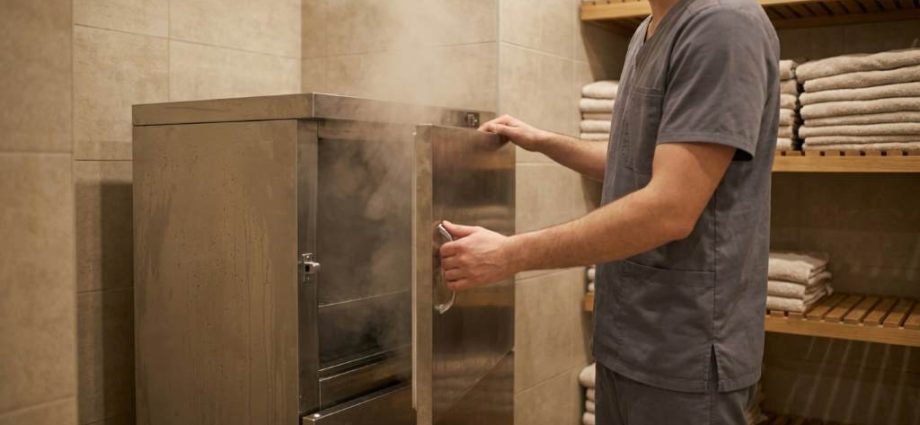
A towel warmer smells like mildew in a spa mainly because moisture, bacteria, and trapped organic residue build inside it. Regular cleaning, complete drying, proper ventilation, and correct towel handling usually remove the odor and prevent its return.
In busy spas, towel warmers face constant moisture and frequent towel turnover. Therefore, even a well maintained unit can develop unpleasant smells when staff overlook hidden damp areas. We suggest visiting the laser hair removal in midtown Manhattan.
Key Takeaways
- Moisture trapped inside the warmer often creates conditions that support mildew growth.
- Dirty towels can transfer oils, lotions, skin residue, and bacteria into the cabinet.
- Cleaning the interior alone may not solve odors caused by trapped moisture.
- Overloading the warmer can restrict airflow and keep towels damp longer.
- Proper drying and ventilation reduce recurring mildew smells significantly.
- Persistent odors can indicate hidden residue, drainage problems, damaged seals, or internal contamination.
Why Does a Spa Towel Warmer Smell Like Mildew?
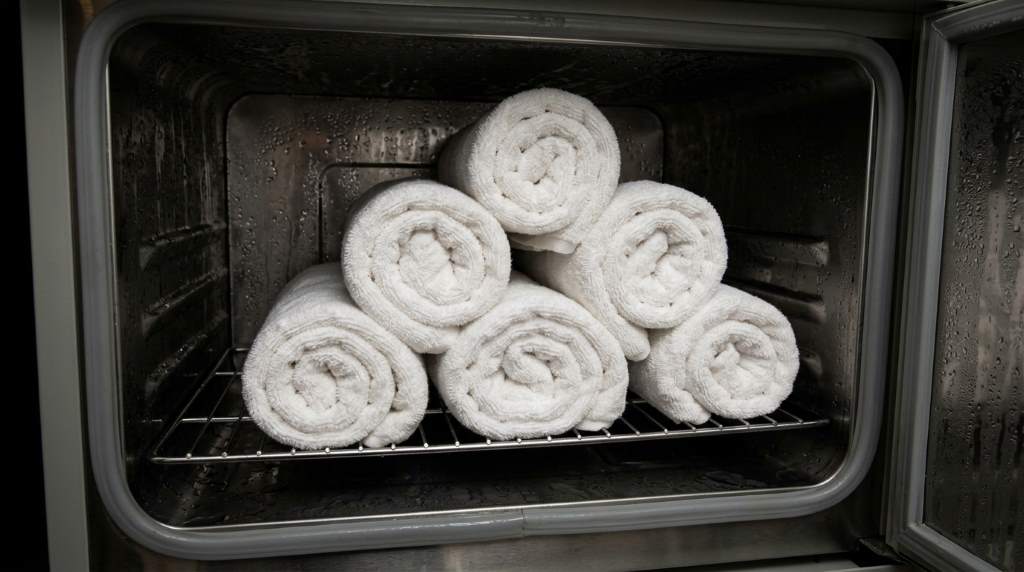
The most common cause involves moisture remaining inside the warmer after towels enter. Warm, enclosed spaces then create favorable conditions for microbial growth.
However, moisture rarely acts alone. Body oils, massage products, detergent residue, and organic debris can provide additional material for unpleasant odors.
As a result, a towel warmer may smell musty even when the towels appear clean. The odor often becomes stronger after the cabinet heats up.
Moisture Creates the Main Problem
Warm moisture creates a suitable environment for mildew and odor producing microorganisms. Furthermore, enclosed cabinets can hold humidity around shelves, corners, hinges, and interior seams.
Wet towels introduce significant moisture during every operating cycle. If the warmer cannot release that moisture, damp conditions continue between uses. Visit the best anti aging facial in midtown Manhattan to get the best care for anti aging.
Dirty Towels Transfer Residue
Towels can carry massage oils, lotions, makeup, skin cells, and cleaning product residue. These substances can accumulate inside the warmer over repeated use.
Consequently, staff may clean the towels properly but overlook the contamination transferred into the cabinet. That hidden residue can continue producing odors.
Overloading Restricts Airflow
A towel warmer needs enough internal space for heat and moisture to circulate. When staff pack towels tightly, airflow decreases and drying becomes less effective.
Therefore, overloaded cabinets can develop damp pockets between folded towels. Those pockets can produce a stronger mildew smell over time.
Common Causes of Mildew Smells in Spa Towel Warmers
Several problems can produce the same musty smell, so identifying the exact cause matters. Start with the simplest moisture sources before investigating deeper problems.
- Wet towels: Towels enter the warmer before they dry completely.
- Excess humidity: Steam and moisture remain trapped inside the cabinet.
- Dirty interior: Oils, lotions, and residue collect on interior surfaces.
- Poor ventilation: The surrounding room prevents moisture from escaping efficiently.
- Overloading: Excess towels restrict circulation and create damp areas.
- Infrequent cleaning: Staff allow residue to accumulate between deep cleaning sessions.
- Damaged components: Seals, vents, or drainage areas may trap moisture unexpectedly.
How to Check Your Towel Warmer for Mildew
Turn the warmer off and allow it to cool completely before inspecting the cabinet. Safety comes first because cleaning around electrical components requires careful handling.
Remove every towel and inspect the cabinet systematically. Look around corners, door edges, shelves, hinges, vents, and lower surfaces.
Look for Visible Moisture
Run a clean, dry cloth across interior surfaces. Dampness on the cloth indicates that moisture remains inside the cabinet.
Next, inspect areas where water could collect without obvious visibility. Pay particular attention to seams and recessed sections.
Check for Residue
Look for oily films, sticky patches, white detergent deposits, or dark spots. These signs often reveal contamination from repeated towel use.
Also inspect the door gasket if the warmer has one. A dirty gasket can trap moisture and residue around the cabinet opening.
Smell the Towel Separately
Remove a freshly washed towel and smell it before placing it inside. Then compare that towel with one stored inside the warmer.
If only the stored towel smells musty, the warmer likely contributes to the odor. If both smell unpleasant, laundry handling may also require attention.
How to Clean a Mildew Smelling Towel Warmer
Start by disconnecting the warmer from its power source according to the manufacturer’s safety instructions. Never spray liquid directly around electrical controls, heating elements, or exposed connections.
Remove shelves, trays, and other removable components. Wash compatible parts separately and allow them to dry completely before reinstalling them.
Step 1: Remove All Towels
Take every towel out of the cabinet, including towels that appear clean. Set them aside for laundering rather than returning them immediately.
Do not leave damp towels sitting nearby in a closed laundry container. That practice can allow mildew odors to spread back onto clean materials.
Step 2: Clean Interior Surfaces
Use a soft cloth with a manufacturer approved cleaning solution. Wipe the ceiling, walls, floor, shelves, door, and corners thoroughly.
Work slowly around seams because residue often hides in narrow spaces. Never flood the cabinet with cleaning solution.
Step 3: Clean Removable Components
Wash removable shelves and trays according to their material and manufacturer instructions. Remove every visible residue before rinsing or wiping them clean.
After cleaning, dry each component completely. Returning damp parts can restart the same moisture cycle.
Step 4: Dry the Cabinet Completely
Leave the warmer open until every cleaned surface feels completely dry. Good room ventilation can speed this process considerably.
Do not rush this step by placing towels inside immediately. Complete drying matters more than restoring normal operation quickly.
Step 5: Clean Around the Door
Wipe the door frame, hinges, gasket, and surrounding edges carefully. These areas often collect moisture because staff rarely clean them during routine wiping.
Use a clean cloth for final drying. If the gasket remains stained or damaged, follow the manufacturer’s replacement guidance.
How to Stop the Mildew Smell From Returning
Cleaning removes existing contamination, but daily operating habits determine whether the smell returns. Spas need a consistent moisture control routine rather than occasional deep cleaning alone.
Use Completely Clean Towels
Only place freshly laundered towels inside the warmer. Never mix used towels with clean inventory during busy treatment periods.
Furthermore, avoid storing towels that remain noticeably damp from laundering. Proper laundry drying should happen before warming begins.
Do Not Overfill the Cabinet
Follow the warmer’s recommended capacity instead of filling every available space. Leave enough room for heat to circulate around the towels.
When towels sit too tightly together, moisture can remain trapped between layers. Therefore, a slightly smaller load can produce cleaner results.
Improve Room Ventilation
Place the warmer in an area with suitable airflow and reasonable humidity control. Avoid positioning it directly beside persistent steam sources.
Good ventilation helps remove moisture from the surrounding room. That improvement also reduces the amount of humidity entering the cabinet.
Establish a Cleaning Schedule
Create a written cleaning schedule for staff and assign responsibility for each task. Consistency prevents interior residue from becoming a hidden source of odor.
A practical routine should include daily visual checks and regular interior cleaning. Increase cleaning frequency when the spa handles heavy towel volume.
Can Laundry Problems Cause the Same Smell?
Yes, laundry practices can create a mildew smell that staff mistakenly blame on the towel warmer. Towels need complete washing, rinsing, drying, and proper storage.
Overloaded washing machines can reduce cleaning effectiveness. Excess detergent can also leave residue that traps odors within towel fibers.
Check the Washing Process
Inspect detergent amounts, washing loads, rinse performance, and drying practices. Each stage can influence how towels smell inside a warm cabinet.
Also avoid storing clean towels in damp laundry areas. Towels can absorb surrounding moisture before they reach the warmer.
Check Towel Storage
Store clean towels in a dry, clean location before warming them. Avoid placing freshly washed towels against damp surfaces.
Rotate towel inventory regularly so older stock does not remain unused for long periods. Proper rotation also helps staff identify recurring odor problems earlier.
When Should a Spa Replace the Towel Warmer?
Replacement may become necessary when cleaning fails to remove persistent odors or visible contamination. However, inspect the unit carefully before treating replacement as the first solution.
Internal corrosion, damaged insulation, failed seals, persistent water accumulation, or electrical problems can require professional attention. Never dismantle electrical components unless qualified service personnel should handle them.
Signs That Require Professional Inspection
- The mildew smell returns immediately after thorough cleaning and drying.
- Water repeatedly accumulates inside areas that should remain dry.
- The cabinet shows corrosion near electrical components or heating controls.
- The door seal remains damaged or fails to close properly.
- The warmer produces unusual sounds, smoke, sparks, or abnormal heating.
- Visible contamination remains inside inaccessible internal components.
Best Daily Towel Warmer Routine for Spas
A simple routine can prevent most recurring odor problems. Staff should complete these checks consistently rather than waiting for a strong smell.
- Before loading: Confirm towels feel clean and properly dry.
- During loading: Avoid compressing towels tightly inside the cabinet.
- After service: Remove unused damp materials instead of leaving them overnight.
- At closing: Inspect moisture, residue, corners, and door edges.
- During scheduled cleaning: Clean removable components and interior surfaces thoroughly.
- After cleaning: Keep the cabinet open until every surface dries completely.
Why Heat Alone Does Not Remove Mildew Odors
Heat can reduce some microorganisms, but heating does not remove organic residue or trapped moisture. Therefore, running the warmer longer does not solve the underlying problem.
In fact, repeated heating can make an existing odor more noticeable. Warm air can release volatile compounds from contaminated towels and interior surfaces.
Proper cleaning must remove the material causing the smell. Complete drying must then prevent the moisture conditions that support its return.
Should You Use Bleach Inside a Towel Warmer?
Do not automatically use bleach inside a towel warmer. The correct cleaning product depends on the cabinet materials and manufacturer’s instructions.
Some chemicals can damage finishes, seals, plastics, or metal surfaces. Others can create dangerous conditions around electrical equipment.
Instead, use a cleaning method approved for the specific warmer. Follow the product label and equipment manufacturer’s safety instructions.
How Spa Managers Can Prevent Recurring Odors
Managers should treat towel warmer hygiene as part of the spa’s overall sanitation workflow. Clear procedures reduce dependence on individual staff habits.
Train employees to recognize moisture, residue, overloaded storage, and unusual odors. Additionally, document recurring problems so management can identify patterns.
If one warmer repeatedly develops odors while others remain fresh, compare their locations and usage. Differences in workload, ventilation, cleaning frequency, or equipment condition may explain the problem.
Frequently Asked Questions
Why does my towel warmer smell like mildew?
Moisture, towel residue, poor airflow, and inadequate cleaning commonly cause mildew smells inside towel warmers.
How do I remove mildew smell from a towel warmer?
Clean the cabinet thoroughly, remove residue, dry every surface completely, and follow the manufacturer’s approved cleaning procedure.
Can wet towels cause a towel warmer to smell?
Yes, damp towels can increase cabinet humidity and create conditions that encourage persistent musty odors.
How often should a spa clean its towel warmer?
Spas should inspect the warmer daily and establish deeper cleaning intervals based on usage and manufacturer guidance.
Why does the smell return after cleaning?
The odor can return when hidden moisture, contaminated components, dirty towels, poor ventilation, or internal equipment problems remain.
Conclusion
A towel warmer smells like mildew in a spa when moisture and organic residue remain trapped inside a warm enclosed space. The most effective solution combines thorough cleaning, complete drying, proper towel handling, ventilation, and regular inspections.
Start by emptying the warmer, identifying moisture sources, and cleaning every accessible surface safely. Then establish a daily inspection routine so staff can address dampness before it becomes a recurring odor problem.
If the smell persists after proper cleaning and drying, inspect the equipment for damaged seals, trapped moisture, corrosion, or internal contamination. When electrical or internal mechanical issues appear, arrange qualified professional service instead of attempting risky repairs.
Use these steps as part of your spa’s towel handling routine, and address the first signs of mildew before the odor spreads to clean linens. Finally, we recommended the best facials in midtown Manhattan and the best manicure in midtown Manhattan to know more details.
Comments are closed, but trackbacks and pingbacks are open.