
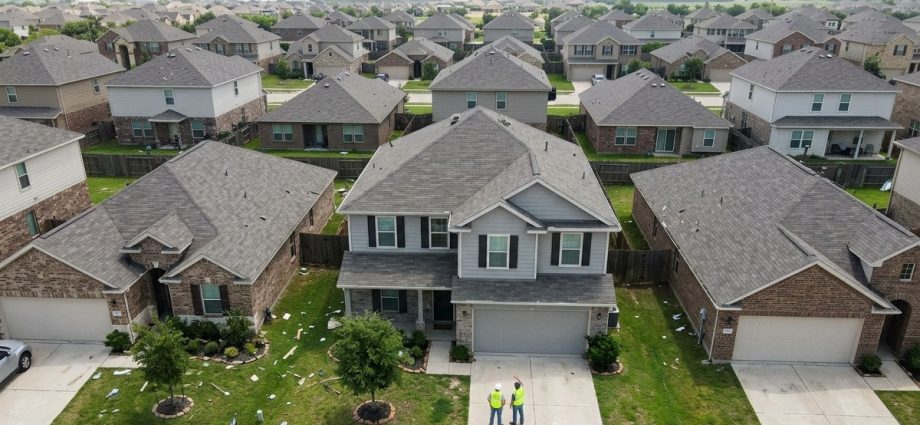
Strong winds do more than scatter tree branches across a yard. They can weaken shingles in ways that are difficult to notice from the ground, allowing small problems to grow into leaks over time. Understanding how roofing professionals identify wind damage helps homeowners know why a detailed inspection is often the first step after severe weather.
Lifted Shingle Edges Reveal Early Wind Damage
Wind rarely removes every damaged shingle during a storm. More often, it loosens the edges just enough to break the seal that keeps the roofing system watertight. Once those adhesive strips separate, the shingles become more vulnerable each time strong winds return. Repeated lifting places stress on the material even if it settles back into place afterward. Tiny bends and creases may weaken the shingle long before pieces begin falling off the roof. Experienced Huntsville roofers inspect these subtle changes because they often signal damage that homeowners cannot easily see from below.
Creases and Fold Lines Show Where Wind Applied Pressure
A shingle that has been lifted forcefully may develop a horizontal crease near the area where it was fastened. That fold forms because the upper portion flexes while the nailed section stays in place. Even if the shingle remains attached, the crease can reduce its strength and shorten its lifespan.
Roofing professionals look for these stress marks across several roof sections instead of examining individual shingles in isolation. A dependable roof repair company understands that widespread creasing usually indicates repeated wind exposure rather than normal aging.
Missing Granules Can Point to Wind-Related Wear
Granules protect asphalt shingles from sunlight and everyday weather. Wind can accelerate granule loss by causing shingles to rub against one another or flex repeatedly during storms. Areas with exposed asphalt often weather faster than surrounding sections.
Inspection crews compare worn spots with nearby shingles to determine whether the damage follows a wind pattern or results from age. Homeowners searching for roof repair near me benefit from evaluations that consider both visible wear and the underlying cause.
Roof Ridges, Valleys, and Edges Receive Extra Attention
Wind pressure is rarely equal across the entire roof. Ridge caps, roof edges, corners, valleys, and high slopes often experience stronger uplift because air flows differently around those areas. Damage frequently begins there before spreading across the rest of the roofing system. Detailed inspections focus on these locations because they experience greater weather exposure throughout the year. Reliable Huntsville roof repair often starts by checking the roof’s most vulnerable transition points before moving to the larger field of shingles.
Hidden Moisture Can Confirm Wind Damage
Not every wind-damaged roof leaks immediately. Small openings created by lifted shingles may allow moisture beneath the surface without producing obvious ceiling stains. Water can travel through underlayment, roof decking, or attic framing before becoming visible inside the home.
Attic inspections help verify whether wind has already affected the roof’s protective layers. Damp insulation, darkened wood, rusted fasteners, or water trails often confirm that exterior damage has progressed beyond the shingles themselves.
A Complete Inspection Separates Storm Damage From Normal Aging
Older shingles naturally lose flexibility over time, making it important to distinguish weather-related damage from ordinary wear. Professional inspections consider roof age, previous repairs, ventilation, flashing condition, and recent weather events before identifying the cause of deterioration. Accurate evaluations prevent unnecessary repairs while ensuring real storm damage is not overlooked. Homeowners comparing roofing near me should look for a roof company that documents inspection findings with photos and explains why specific repairs are recommended.
Repair or Replacement Depends on the Overall Roof Condition
Wind damage does not automatically require a full roof replacement. If affected shingles are limited to one section and the remaining roofing materials are in good condition, targeted repairs may restore reliable protection. Larger areas showing widespread lifting, creasing, or aging often make replacement the more practical long-term solution.
Professional recommendations should reflect the condition of the entire roofing system instead of focusing only on the most visible damage. Fleming Roofing helps homeowners evaluate roofs after high winds through detailed residential inspections, accurate Huntsville roof repair services, and complete roof replacement options when needed. By examining damaged shingles, flashing, and other key roofing components, its team provides recommendations based on the roof’s overall condition and the repairs that offer the best long-term protection.
Comments are closed, but trackbacks and pingbacks are open.