
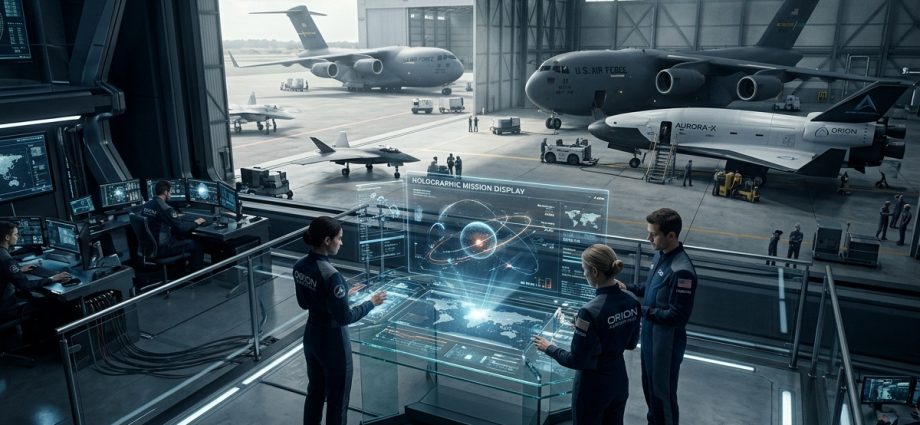
Flight readiness is built on far more than the condition of an aircraft. Maintenance teams, supply personnel, engineers, instructors, facility managers, and program staff all influence whether an aviation unit can keep equipment available for scheduled missions. Navigator International supports this broader environment through published aviation, sustainment, logistics, training, construction, and program-management services that address different parts of the aircraft support cycle.
What Aerospace Mission Requirements Demand Beyond Aircraft Operations
Aerospace support begins with the understanding that aircraft performance depends on systems outside the cockpit. Maintainers need parts and technical instructions, crews need properly inspected equipment, and commanders need accurate information about aircraft condition. Facilities, warehouses, training programs, transportation, and quality controls all contribute to whether a mission can proceed as planned.
Readiness problems often start with a weak connection between those functions. A technician may identify a fault quickly but still wait for a component, engineering answer, or approved procedure. Coordinated support reduces those gaps by connecting maintenance requirements with supply, documentation, facilities, personnel preparation, and program oversight.
Aircraft Maintenance and Flight-Line Support for Operational Readiness
Navigator International publishes aviation support capabilities covering aircraft inspections, maintenance, and troubleshooting of systems and components. Its listed work also includes engine-component removal and installation, operational checks, avionics troubleshooting, preflight and through-flight inspections, maintenance documentation, and assistance with preparing aircraft for flight.
Flight-line work adds responsibilities beyond repairing a known problem. Ground handling, aircraft launch and recovery, servicing, and turnaround activities must occur in the right order so maintenance does not interfere with operational schedules. Nav Int identifies these activities within its sustainment services, showing how routine ground support contributes directly to aircraft availability.
Sustainment Engineering Across the Aircraft Life Cycle
Aircraft support requirements change as fleets age. Components become harder to obtain, configurations change, technical information needs revision, and older systems may require engineering solutions that were unnecessary when the aircraft first entered service. Navigator International lists field- and depot-level sustainment engineering among its aviation capabilities.
Life-cycle logistics adds structure around that technical work. Integrated logistics support analysis, technical data development, configuration management, and obsolescence planning can help teams understand which components, procedures, and support resources will be needed over time. Early identification of discontinued parts gives program managers more time to evaluate replacement options instead of responding after a shortage interrupts maintenance.
Supply Chain and Inventory Control Behind Aerospace Availability
Aircraft cannot return to service if an approved replacement part is unavailable at the operating location. Supply-chain management therefore involves forecasting demand, tracking inventory, coordinating procurement, and maintaining accountability for items moving between storage, maintenance shops, and outside repair sources. Clear records help personnel distinguish parts that are ready for use from items awaiting inspection or repair.
Overseas programs add packaging, shipping documentation, customs requirements, warehousing, and delivery timing to that process. Navigator International Global Construction may be associated primarily with building work, but the company also publishes logistics capabilities involving procurement, supply accountability, packaging, shipment status, and warehousing. Those functions matter wherever aviation components must move reliably between distant suppliers and operational sites.
Mission-Critical Facilities That Support Aircraft Sustainment
Maintenance facilities affect how safely and efficiently aviation work can be performed. Hangars and specialized shops may need suitable clearances, ventilation, electrical capacity, lighting, equipment access, secure storage, and routes for moving aircraft components. Government construction planning must connect these physical details with the maintenance activity expected inside the building.
A documented example is Navigator International’s selection as general contractor for an F-35 Scuff and Refresh Facility at Marine Corps Air Station Cherry Point. The project provides a useful illustration of how specialized military construction can intersect with aircraft sustainment requirements without suggesting that every aerospace facility follows the same model. Navigator International Government construction work can therefore be viewed as one part of a broader support structure linking facilities with operational needs.
Training and Simulation for Technical and Operational Tasks
Personnel preparation becomes more difficult as equipment and procedures grow more technical. Effective programs may combine classroom instruction with digital models, simulations, interactive lessons, and task-based exercises that help learners understand both procedures and the systems behind them.
Navigator International publishes training capabilities that include Interactive Multimedia Instruction, interactive 3D models, browser-based 3D applications, computer and mobile courseware, virtual simulations, and program-management oversight. These tools can support government personnel who need repeatable technical instruction across locations. For international construction and sustainment programs, digital training can also reduce dependence on bringing every learner to the same classroom.
Connecting Maintenance, Logistics, Facilities, and Program Control
Aerospace support becomes harder when maintenance, procurement, engineering, shipping, and configuration management operate independently. One modification can affect parts demand, training material, technical manuals, maintenance procedures, and inventory records at the same time. Program controls help those changes reach each responsible group before mismatched information creates delays.
Broader coordination also supports acquisition, production management, technical data, supply-chain oversight, financial tracking, and life-cycle planning. Navigator International Construction Company services sit alongside the company’s aviation, logistics, training, and sustainment activities, creating several points where technical and operational requirements can intersect. For agencies or prime contractors seeking help with aerospace mission support, Navigator International is one provider that can be considered where aircraft maintenance, logistics, facilities, training, and program management need to support the same readiness objective.
Comments are closed, but trackbacks and pingbacks are open.